
You can’t hate your way to better performance.
Yet so many endurance athletes are stuck in an exhausting cycle of trying to shrink their bodies while demanding more from them, restricting food while training harder, and believing that looking a certain way is the key to running faster or going longer.
This internal conflict is real and brutal. There’s so much pressure to be lean, eat “clean,” and “look the part” of a serious athlete.
You scroll through social media seeing other runners with defined abs and think that’s what success looks like. You stand at the start line comparing your body to others around you, wondering if you’re “too big” to be competitive.
But here’s what that mindset costs you: energy, recovery, performance, and joy in the sport you love.
This isn’t just physical, it’s emotional and mental too. When athlete body image becomes your primary focus, everything else suffers.
Your relationship with food becomes complicated. Training becomes about punishment rather than progress. Rest days feel guilty instead of restorative.
It’s time to reframe the goal entirely. This isn’t about controlling your body, it’s about fueling it to perform and thrive.
In this blog post, we’ll explore how athlete body image issues lead to underfueling and compromised performance, why chasing the “ideal” athlete body derails your goals, and how to shift from eating for aesthetics to eating for energy and sustainable success.

The Cost of Underfueling on Performance and Joy
Underfueling happens when your energy intake doesn’t match your energy expenditure, leaving your body without adequate resources to support both basic physiological functions and training demands.
It’s not always intentional. Sometimes athletes simply don’t realize how much fuel their bodies actually need.
Physical signs that underfueling is sabotaging your performance:
- Persistent low energy that rest doesn’t fix
- Poor recovery between training sessions
- Mood swings, irritability, or brain fog
- Frequent illness or injuries that won’t heal
- Missed or irregular menstrual periods
- Feeling cold all the time or trouble regulating body temperature
Mental and emotional symptoms are equally telling:
- Obsessive thoughts about food, calories, or “earning” meals
- Anxiety about rest days or eating when you’re not training
- Guilt after eating, especially foods you’ve labeled as “bad”
- Constantly thinking about your next meal or snack
- Using exercise to “burn off” what you’ve eaten
Here’s the brutal irony: underfueling feels like discipline and control, but it actually blocks the progress and joy you’re working so hard to achieve.
Your body can’t adapt to training stress without adequate fuel. You can’t recover properly when you’re chronically under-eating. You can’t think clearly or make good decisions when your brain doesn’t have enough glucose.
Underfueling doesn’t create the lean, strong athlete you think you want to become. It creates a tired, injury-prone, underperforming version of yourself.

Chasing the “Ideal” Athlete Body Can Derail Your Goals
Social media has created an impossible standard for what an athlete body should look like.
Scroll through Instagram and you’ll see endless photos of lean runners with defined abs, cyclists with sculpted legs, and triathletes who look like they stepped out of a fitness magazine.
But here’s what those images don’t show you: the full spectrum of successful athlete body types that actually exist in endurance sports.
They don’t show the marathon winners who carry more body fat, the ultra-runners with softer midsections, or the cyclists who are powerful but not “shredded.”
The myth of the “perfect runner’s body” or the belief that “lean equals fast” is not only wrong, it’s dangerous. Athlete body image issues often start with these comparisons and escalate into restrictive eating patterns that derail performance.
Comparison happens everywhere in the endurance world:
- At race expos you size up other competitors
- In training groups you notice who looks “more athletic”
- On social media you scroll through race photos wondering why you don’t look like the people you’re trying to beat
But performance isn’t determined by aesthetics.
Your strongest, fastest, most resilient athlete body may not look anything like the image in your head or the bodies you see online.
When you stop trying to control how it looks and start supporting how it functions, everything changes.
Want to learn more? Check out our blog post The Reality of Racing Weight: What Endurance Athletes Need to Know.
Eating for Energy Instead of Aesthetics
Eating for energy means shifting your entire relationship with food from restriction and control to fuel and performance.
Instead of asking “Will this make me gain weight?” you start asking “Will this help me train better and recover faster?”
This mindset shift transforms everything about how you approach nutrition:
- More power during workouts comes from having adequate glycogen stores and stable blood sugar. When you eat enough carbs, you can maintain intensity throughout your training sessions instead of fading halfway through.
- Better recovery happens when you provide your body with the protein it needs for muscle repair and the carbs it needs to replenish energy stores. Eating for energy means not skipping post-workout meals or feeling guilty about eating when you’re hungry.
- More consistent energy throughout the day results from eating regular, balanced meals instead of surviving on willpower and caffeine. When you’re properly fueled, you don’t experience the energy crashes that make training feel impossible.
Practical Strategies for Eating for Energy
Pre-run fueling is non-negotiable, even for early morning or shorter runs. Your body has been fasting all night and needs fuel to perform optimally.
This might mean a banana and some coffee, toast with honey, or oatmeal with berries, depending on timing and personal preference.
Recovery nutrition matters within 30-60 minutes of finishing your training. The combination of carbs and protein helps replenish glycogen stores and supports muscle protein synthesis.
This isn’t about perfect ratios, it’s about consistency and adequacy.
Don’t underfuel because of guilt or arbitrary food rules:
- If you’re hungry after a long run, eat.
- If you want a second helping at dinner after a hard training day, have it.
Your body’s hunger signals are sophisticated and trustworthy when you stop fighting them.
Normalize hunger as a signal to respond to, not ignore. Athletes often have higher calorie needs than sedentary individuals, and appetite typically increases to match training demands.
This is your body working correctly, not a sign of weakness or lack of willpower.
Athletes and Nutrition: Rewriting the Rules
The traditional approach to athletes and nutrition is filled with unnecessary restrictions and moral judgments about food that serve no performance purpose and often harm both physical and mental health.
I encourage you to challenge restrictive “athlete diet” expectations.
You don’t need to eat chicken and broccoli every day to be serious about your sport. Not every meal needs to be low-fat, high-protein, or perfectly portioned.
Some of the world’s best endurance athletes eat pizza, pasta, and ice cream regularly, because they understand that variety, enjoyment, and adequacy matter more than perfection.
Replace shame with curiosity about how different foods affect your performance:
- What foods help me feel energized during long training sessions?
- What makes recovery easier and more complete?
- Which meals leave me satisfied and ready for my next workout?
- How does my hunger change during different training phases?
This curious, experimental approach helps you discover what actually works for your body rather than following someone else’s rules.
Promote a flexible, performance-focused mindset:
- All foods can fit into a performance-supporting nutrition plan
- No food is morally “good” or “bad”, they’re just different tools for different situations
- Eating more doesn’t mean failing, it means providing your body with adequate resources
- Your nutrition needs will change based on training load, life stress, and individual factors
Success isn’t about elimination and restriction, it’s about inclusion, adequacy, and flexibility that supports both performance and enjoyment.
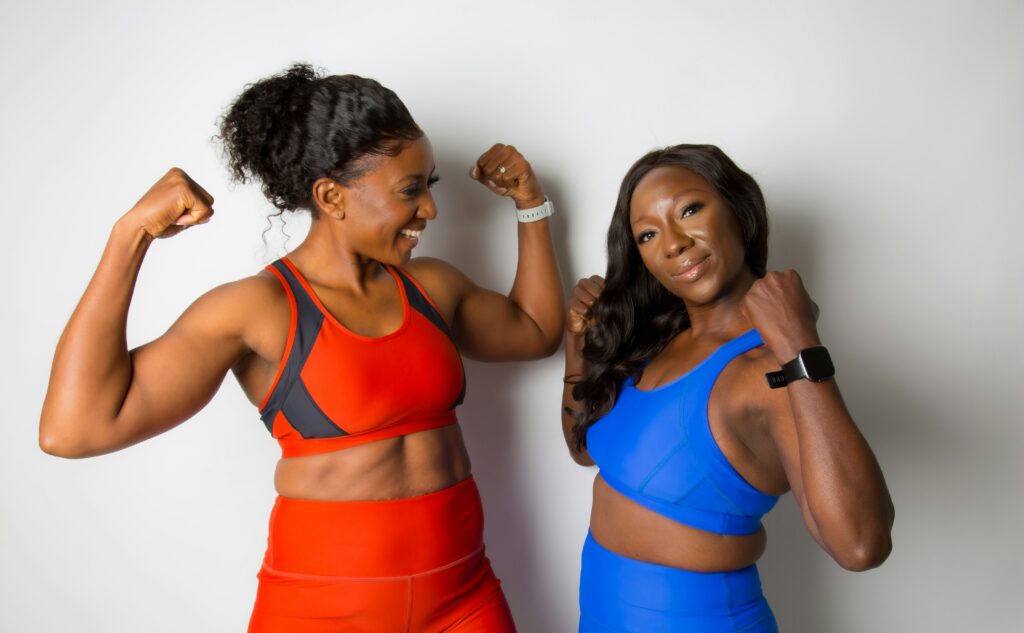
What Real Fueling Freedom Looks Like (and How to Get There)
You don’t need to chase a specific look to be a serious athlete. The most successful endurance athletes I work with have one thing in common: they fuel their bodies consistently and adequately without stress or guilt.
Real fueling freedom includes:
- Confidence in eating enough. This means trusting that your body needs adequate fuel to perform and adapt to training. It means not second-guessing your hunger or trying to eat as little as possible while training as much as possible.
- Saying yes to rest without guilt about not “earning” your food through exercise. Your body needs fuel on recovery days to support the adaptation processes that make you stronger.
- Letting go of food tracking and “earning” meals through exercise. You stop calculating whether you’ve “burned enough calories” to deserve dinner or treating food as a reward system tied to training.
- Performance without restriction. This means you can fuel adequately, train consistently, and compete effectively without food rules or body image obsessions dominating your thoughts and decisions.
- Support for body image and fueling without dieting, creating space for athletes to focus on what their bodies can do rather than how they look, and how food can support performance rather than control appearance.
- A space to reconnect with food, movement, and joy in sport, because when athlete body image issues are resolved and fueling becomes adequate and stress-free, training becomes fun again. Racing becomes about testing your fitness rather than proving your worth. Food becomes fuel rather than the enemy.
This approach aligns with Health at Every Size (HAES) principles that focus on behaviors rather than body size, respect body diversity, and promote sustainable practices that support both physical and mental health.
Performance Over Perfection
Athlete body image issues and underfueling patterns keep too many talented athletes from reaching their potential.
When you’re constantly fighting your body instead of supporting it, when you’re restricting fuel instead of providing adequate energy, and when you’re chasing an aesthetic instead of chasing performance, you’re working against yourself.
The shift from eating for aesthetics to eating for energy isn’t just about nutrition, it’s about reclaiming your power as an athlete. It’s about trusting your body’s wisdom, respecting its needs, and focusing on what really matters: how strong, fast, and resilient you can become when properly fueled.
Your body is capable of incredible things when you stop trying to shrink it and start supporting it.
Your performance potential expands when you fuel adequately rather than restrict chronically. Your joy in sport returns when athletes and nutrition becomes about abundance rather than scarcity.
Ready to Redefine Success?
Your worth as an athlete isn’t determined by your body size, your eating habits, or how you look in race photos. It’s determined by your effort, your progress, your resilience, and the joy you find in pushing your limits.
Athlete body image issues and underfueling patterns don’t resolve overnight, but they can be resolved with the right support and approach.
If you’re tired of the restrict-guilt-perform-repeat cycle and ready to fuel your body like the athlete you are, I’m here to help.
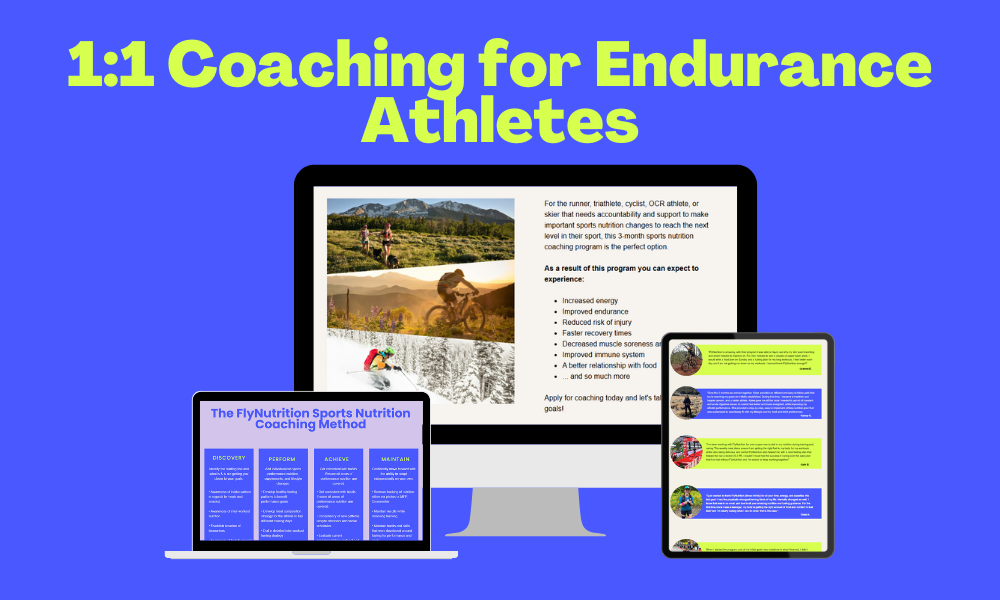
Ready to work together to fuel your goals without the food or body image stress?
Inside my 1:1 coaching program, we’ll create a personalized approach that supports your performance while healing your relationship with food and body image.
No strict meal plans, no restrictions, no judgment. Just evidence-based guidance that helps you become the strongest, most well-fueled version of yourself.
Apply for coaching today and let’s redefine what success looks like for you.

Be The First To Comment