
If you don’t look like the athletes you see online, you might wonder if you really belong here.
Maybe you’ve scrolled through race photos and noticed you don’t have the lean, defined physique that seems to dominate endurance sports.
Perhaps you’ve stood at a start line feeling self-conscious about your body compared to others around you.
Or maybe you’ve questioned whether you’re “athletic enough” because you don’t fit the stereotypical image of what an endurance athlete “should” look like.
The stereotypes are everywhere: thin, ripped, perpetually eating salads and posting about their “clean” meals.
The narrative suggests that to be a serious endurance athlete, you need visible abs, single-digit body fat, and an Instagram-worthy lifestyle that revolves around restriction and rigid discipline.
But here’s the truth that the fitness industry doesn’t want you to know: endurance athlete success has absolutely nothing to do with fitting a specific aesthetic mold.
The belief that body size equals athletic ability is not only wrong, it’s harmful.
It keeps talented athletes from pursuing their goals, creates shame around food and bodies, and perpetuates the myth that you have to look a certain way to perform well.
In this blog post, we’ll explore what truly defines an endurance athlete, celebrate the body diversity that actually exists in endurance sports, examine what really fuels performance, and help you build a nutrition mindset that supports your goals regardless of what you look like.
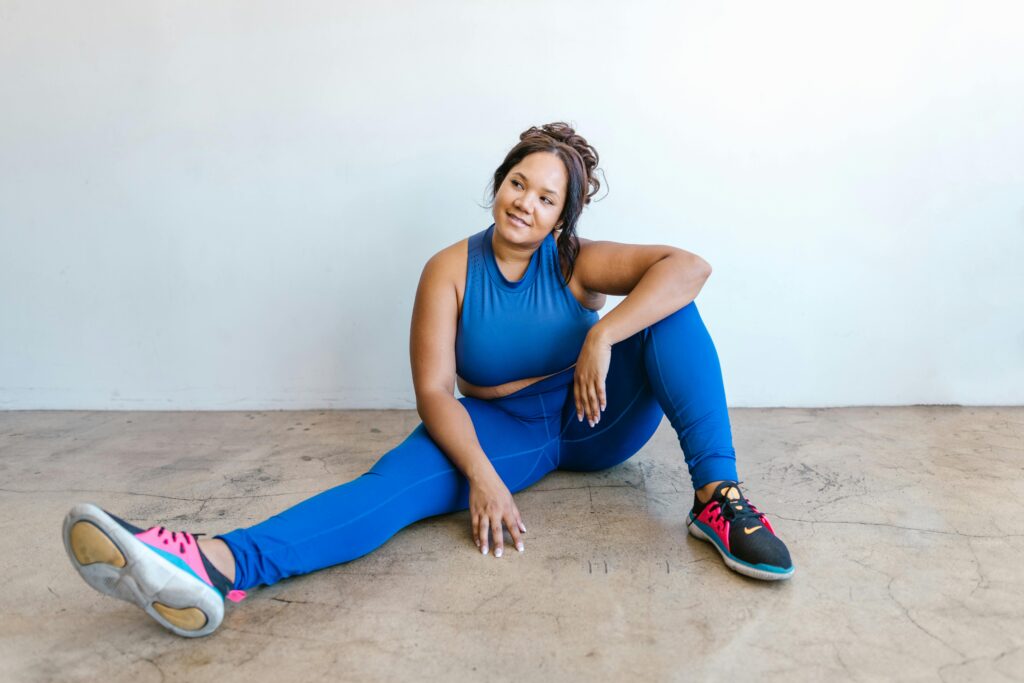
The Truth About the Endurance Athlete Body
The expectations around what an endurance athlete body should look like have been shaped by a perfect storm of social media highlight reels, carefully curated race photography, and diet culture messaging that equates thinness with health and performance.
Scroll through any endurance sports hashtag and you’ll see a remarkably homogeneous representation: lean bodies, defined muscles, and perfectly arranged healthy meals.
But this curated content creates a distorted reality that doesn’t represent the full spectrum of bodies that actually participate in and excel at endurance sports.
These visual standards create harmful patterns, including:
- Judging your worth by how you compare to curated social media images
- Restricting food to achieve a certain look rather than fueling for performance
- Spending mental energy on appearance instead of training and recovery
- Believing you need to “earn your place” based on looks rather than effort
The harm extends beyond individual athletes, it affects entire communities.
When endurance sports are visually dominated by one body type, it sends the message that other bodies don’t belong. This:
- Keeps people from starting
- Causes others to quit prematurely
- Creates environments where athletes feel they need to earn their place based on appearance rather than effort and improvement
But here’s what those carefully filtered images don’t show you: endurance athlete bodies are functional, not uniform.
They’re built for performance, not photo shoots. They come in every shape, size, age, and background because human diversity is normal and bodies are incredibly adaptable to training stress.
The most successful athletes I work with have learned this fundamental truth: there’s no one way to look like an endurance athlete, just many ways to be one.

Athletic Body Diversity Is the Norm, Not the Exception
When you look beyond social media and examine the full landscape of endurance sports, athletic body diversity is everywhere.
Elite marathon fields include athletes of all sizes.
Ultra-running champions come in different shapes.
Cycling pelotons showcase the beautiful variety of human bodies adapted for performance.
Athletic body diversity exists at every level of sport, not just the elite ranks.
Weekend warriors crushing personal records come in all sizes. Age-group podium finishers represent every body type imaginable. The strongest training partners might not look like what you’d expect, but they consistently show up and get the work done.
Athletic body diversity benefits everyone by:
- Creating more inclusive environments where all bodies feel welcome
- Bringing more people into endurance sports regardless of size or shape
- Building supportive communities focused on effort rather than appearance
- Allowing athletes to focus on performance instead of comparison
This diversity isn’t just beautiful, it’s functional.
Different body types excel in different conditions and distances:
- Some bodies are built for sustained power, others for efficiency
- Some thrive in heat, others in cold
- Some recover quickly, others adapt slowly but thoroughly.
Athletic body diversity means there’s room for every body type to find their strengths and achieve their goals.
Research shows that body image concerns significantly impact participation in physical activity, with many people avoiding sports entirely due to appearance-related anxiety. When we celebrate athletic body diversity, we create more inclusive environments where people feel welcome to participate regardless of their size or shape.
What Actually Fuels Performance?
While diet culture obsesses over what endurance athlete bodies should look like, the real question is: what actually supports performance?
The answer has nothing to do with aesthetics and everything to do with adequate, consistent athlete fuel.
Why Carbs Are Still King
Carbohydrates are not the enemy, they’re your performance ally.
Despite decades of low-carb messaging, carbs remain the most efficient fuel source for moderate to high-intensity exercise. Your muscles prefer glucose for quick energy production, and your brain requires glucose for decision-making and focus during long efforts.
The fear of carbohydrates keeps many athletes chronically underfueled, which directly impairs performance.
When you restrict carbs to maintain a certain body composition, you’re essentially choosing aesthetics over athletics. Your training suffers, your recovery slows, and your race-day performance becomes limited by fuel availability rather than fitness.
The Hidden Cost of Underfueling
Underfueling equals underperforming, regardless of how “disciplined” it might seem.
When energy intake doesn’t match energy expenditure, your body begins making adaptations to conserve energy:
- Metabolism slows
- Hormone production decreases
- Recovery becomes impaired
- Training capacity diminishes
Many athletes mistake chronic fatigue, poor recovery, and declining performance for signs they need to train harder when they actually need to eat more. The solution isn’t more discipline around food, it’s more athlete fuel to support the demands you’re placing on your body.
Fueling Takes Discipline, Too
Eating more doesn’t mean giving up discipline, it means redirecting that discipline toward performance rather than restriction.
It takes discipline to fuel properly before early morning runs. It requires commitment to prioritize post-workout nutrition when you’re tired. It demands consistency to eat adequately during heavy training blocks when appetite might be suppressed.
Let’s fuel like athletes, not restrict like dieters:
- Eat enough carbs to fuel your workouts and maintain glycogen stores
- Consume adequate protein to support muscle recovery and adaptation
- Include healthy fats for hormone production and long-lasting satiety
- Time nutrition around training for optimal performance and recovery
- Respond to hunger signals rather than ignoring them

Building a Stronger Nutrition Mindset
Your nutrition mindset, how you think and feel about food, eating, and fueling, has a profound impact on your food choices, training quality, and recovery effectiveness. Many athletes operate from a restrictive, shame-based mindset that treats food as the enemy rather than recognizing it as essential athlete fuel.
This restrictive nutrition mindset creates a cascade of problems:
- You second-guess your hunger signals
- Feel guilty about eating when you’re not training
- Avoid social situations involving food
- Spend mental energy calculating whether you’ve “earned” your meals through exercise
Building a stronger nutrition mindset starts with replacing shame with curiosity. Instead of judging your food choices, start asking performance-focused questions:
- “How does this food support my next run?”
- “Am I fueling for the training I have planned, or punishing myself for what I ate earlier?”
- “What does my body need right now to recover and adapt?”
- “How can I fuel this workout for the best possible training stimulus?”
A strong nutrition mindset includes:
- Flexibility to adapt fueling based on training demands and life circumstances
- Self-respect that treats your body as a high-performance machine
- Sustainability that prioritizes long-term consistency over short-term perfection
- Curiosity about how different approaches support your individual performance
This shift from judgment to curiosity transforms your relationship with food from adversarial to collaborative. Food becomes a tool for performance rather than a source of stress and guilt.
A strong nutrition mindset recognizes that your fueling needs will change based on training load, life stress, sleep quality, environmental factors, and individual variation.
What works during base training might not work during peak training. What you need during racing season differs from off-season requirements.
Performance comes from consistency, not control.
The endurance athlete who eats adequately and consistently over months and years will outperform the athlete who perfectly executes rigid nutrition rules for short periods followed by periods of rebellion or restriction.
Redefining What It Means to Be an Endurance Athlete
Being an endurance athlete is not about what you look like, it’s about what you can do.
It means showing up consistently for training even when motivation is low. It means prioritizing recovery and fueling even when it’s inconvenient. It means pushing through discomfort during workouts and races while listening to your body’s signals about what it needs to perform and recover.
True endurance athlete identity is built on:
- Showing up consistently for training even when motivation is low
- Prioritizing recovery and fueling even when it’s inconvenient
- Pushing through discomfort while respecting your body’s signals
- Focusing on personal progress rather than comparison to others
Your identity as an endurance athlete isn’t tied to one aesthetic, it’s built on actions, commitment, and the willingness to challenge yourself over time.
Some of the most impressive endurance athlete performances come from bodies that don’t fit the magazine stereotype but are incredibly well-trained and properly fueled.
The strongest athletes I know have learned to let go of rigid body expectations and focus on what really matters: consistency in training, adequacy in fueling, quality in recovery, and enjoyment in the process.
They’ve stopped trying to look like someone else’s version of an athlete and started becoming the best version of their own athletic selves.
This shift requires letting go of comparison and embracing your individual journey. Your endurance athlete path doesn’t need to look like anyone else’s. Your body doesn’t need to match someone else’s. Your fueling strategy doesn’t need to mirror what works for other people.
What makes you feel most like an athlete?
- Is it the satisfaction of completing a challenging workout?
- The confidence that comes from proper fueling?
- The community you’ve found in training groups?
- The personal records you’ve achieved through consistent effort?
- The way your body adapts and gets stronger over time?
These are the experiences that define endurance athlete identity, not the number on a scale, the size of your clothes, or how you look compared to others.
You’re Already the Athlete You’re Trying to Become
The endurance athlete community is beautifully diverse, welcoming bodies of all shapes and sizes who are united by their love of challenging themselves and pushing their limits.
Athletic body diversity isn’t just normal, it’s essential for creating inclusive, supportive environments where everyone can thrive.
Your worth as an endurance athlete isn’t determined by your appearance, your eating habits, or how closely you match some idealized image.
It’s determined by your consistency, your effort, your willingness to fuel adequately, and your commitment to showing up for yourself day after day.
The shift from appearance-focused to performance-focused thinking transforms everything about your athletic experience:
- Training becomes about getting stronger rather than getting smaller.
- Athlete fuel becomes about supporting performance rather than controlling body composition.
- Recovery becomes about adaptation rather than punishment avoidance.
When you embrace athletic body diversity and focus on building a strong nutrition mindset, you join the ranks of athletes who understand what really matters: not what you look like, but what you can accomplish when your body is properly supported and consistently challenged.
Ready to Train Like the Athlete You Already Are?
You don’t need to change your body to fuel like an endurance athlete, you just need to start treating your body like the high-performance machine it already is.
If you’re ready to stop fighting your body and start supporting it, if you want to fuel for performance rather than appearance, and if you’re tired of letting body image concerns limit your athletic potential, I’m here to help.
I help endurance athletes fuel for performance, not perfection.
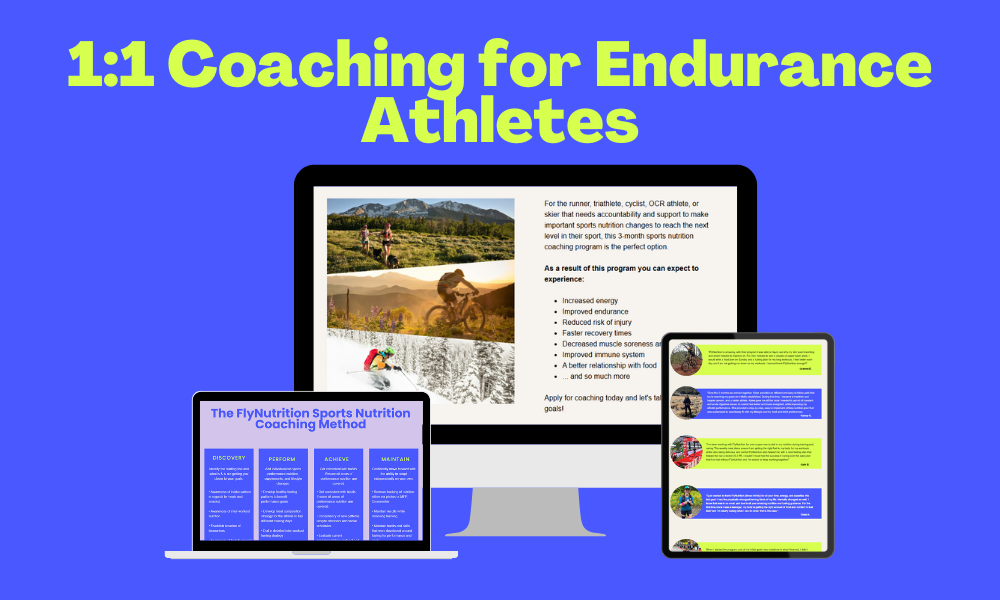
Inside my 1:1 coaching program, we’ll work together to develop a sustainable approach to athlete fuel that supports your training goals while healing your relationship with food and body image.
No restrictions, no judgment, no trying to fit into someone else’s mold, just evidence-based guidance that helps you become the strongest version of your authentic athletic self.Apply for coaching today and let’s focus on what really matters: how amazing you feel when you’re properly fueled and consistently supported.

Be The First To Comment